Dr. Sevoca Glass Jr 9/14/26 Dr. Sevoca Glass Jr 9/14/26 Why Punishment Alone Does Not Work With Youth Read More Dr. Sevoca Glass Jr 9/11/26 Dr. Sevoca Glass Jr 9/11/26 Use of Force Policies: A 25-Year Evolution Read More Dr. Sevoca Glass Jr 9/7/26 Dr. Sevoca Glass Jr 9/7/26 What Juvenile Justice Systems Get Wrong About Behavior Change Read More Dr. Sevoca Glass Jr 8/31/26 Dr. Sevoca Glass Jr 8/31/26 Evidence-Based Interventions for At-Risk Youth Read More Dr. Sevoca Glass Jr 8/28/26 Dr. Sevoca Glass Jr 8/28/26 The Transformation of Policing After 2020 Read More Dr. Sevoca Glass Jr 8/24/26 Dr. Sevoca Glass Jr 8/24/26 The Importance of Early Intervention in Juvenile Justice Read More Dr. Sevoca Glass Jr 8/17/26 Dr. Sevoca Glass Jr 8/17/26 How Probation Officers Influence Youth Outcomes Read More Dr. Sevoca Glass Jr 8/14/26 Dr. Sevoca Glass Jr 8/14/26 How Public Opinion Has Driven Criminal Justice Reform Read More Dr. Sevoca Glass Jr 8/10/26 Dr. Sevoca Glass Jr 8/10/26 Trauma and Juvenile Offending: What Practitioners Need to Understand Read More Dr. Sevoca Glass Jr 8/3/26 Dr. Sevoca Glass Jr 8/3/26 The Role of Family Support in Preventing Youth Recidivism Read More Dr. Sevoca Glass Jr 7/31/26 Dr. Sevoca Glass Jr 7/31/26 From Tough-on-Crime to Smart-on-Crime: A Policy Shift Read More Dr. Sevoca Glass Jr 7/27/26 Dr. Sevoca Glass Jr 7/27/26 Why Family Dynamics Matter in Juvenile Delinquency Read More Dr. Sevoca Glass Jr 7/20/26 Dr. Sevoca Glass Jr 7/20/26 How Probation Departments Can Improve Outcomes Without Increasing Budgets Read More Dr. Sevoca Glass Jr 7/17/26 Dr. Sevoca Glass Jr 7/17/26 The Role of Federal Oversight in Police Reform Read More Dr. Sevoca Glass Jr 7/13/26 Dr. Sevoca Glass Jr 7/13/26 Reducing Technical Violations Through Strategic Supervision Read More Junior Glass 7/6/26 Junior Glass 7/6/26 Addressing Criminogenic Needs in Community Supervision Read More Dr. Sevoca Glass Jr 7/6/26 Dr. Sevoca Glass Jr 7/6/26 Addressing Criminogenic Needs in Community Supervision Read More Dr. Sevoca Glass Jr 7/3/26 Dr. Sevoca Glass Jr 7/3/26 Mandatory Minimums: Decline, Debate, and Future Outlook Read More Junior Glass 6/29/26 Junior Glass 6/29/26 Strength-Based Supervision in Community Corrections Read More Dr. Sevoca Glass Jr 6/22/26 Dr. Sevoca Glass Jr 6/22/26 Why Risk Assessment Tools Must Be Used Carefully Read More Older Posts
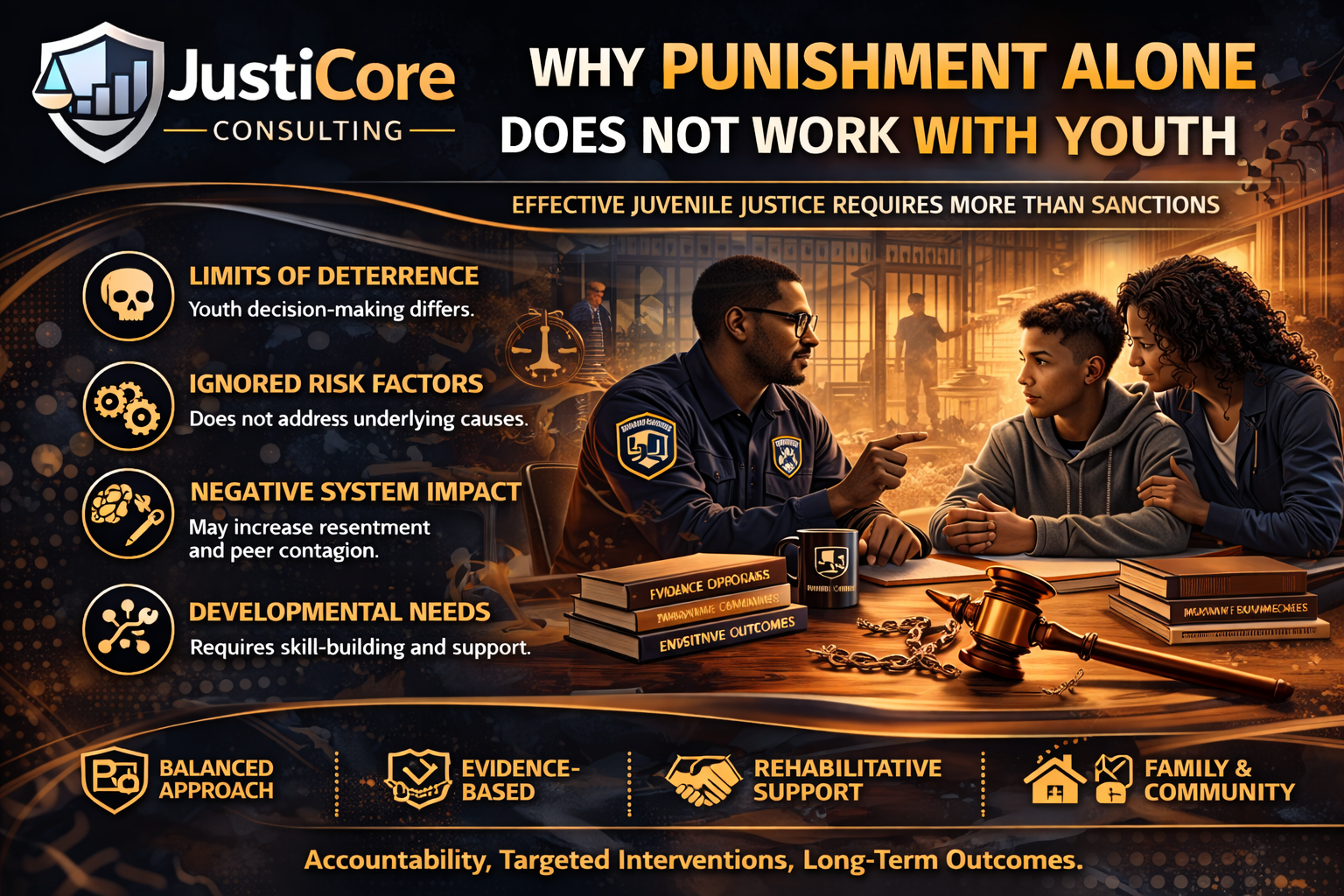
Dr. Sevoca Glass Jr 9/14/26 Dr. Sevoca Glass Jr 9/14/26 Why Punishment Alone Does Not Work With Youth Read More
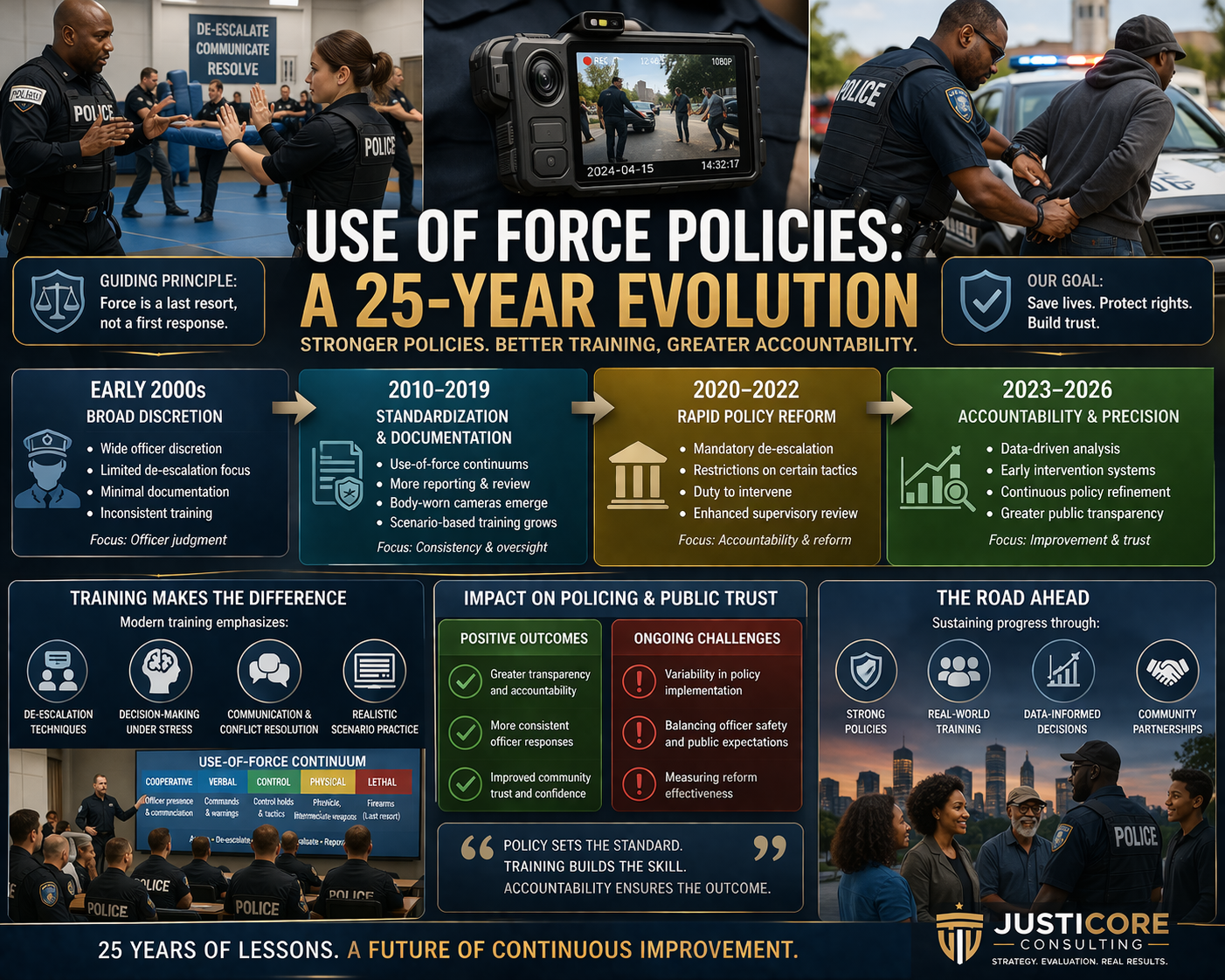
Dr. Sevoca Glass Jr 9/11/26 Dr. Sevoca Glass Jr 9/11/26 Use of Force Policies: A 25-Year Evolution Read More
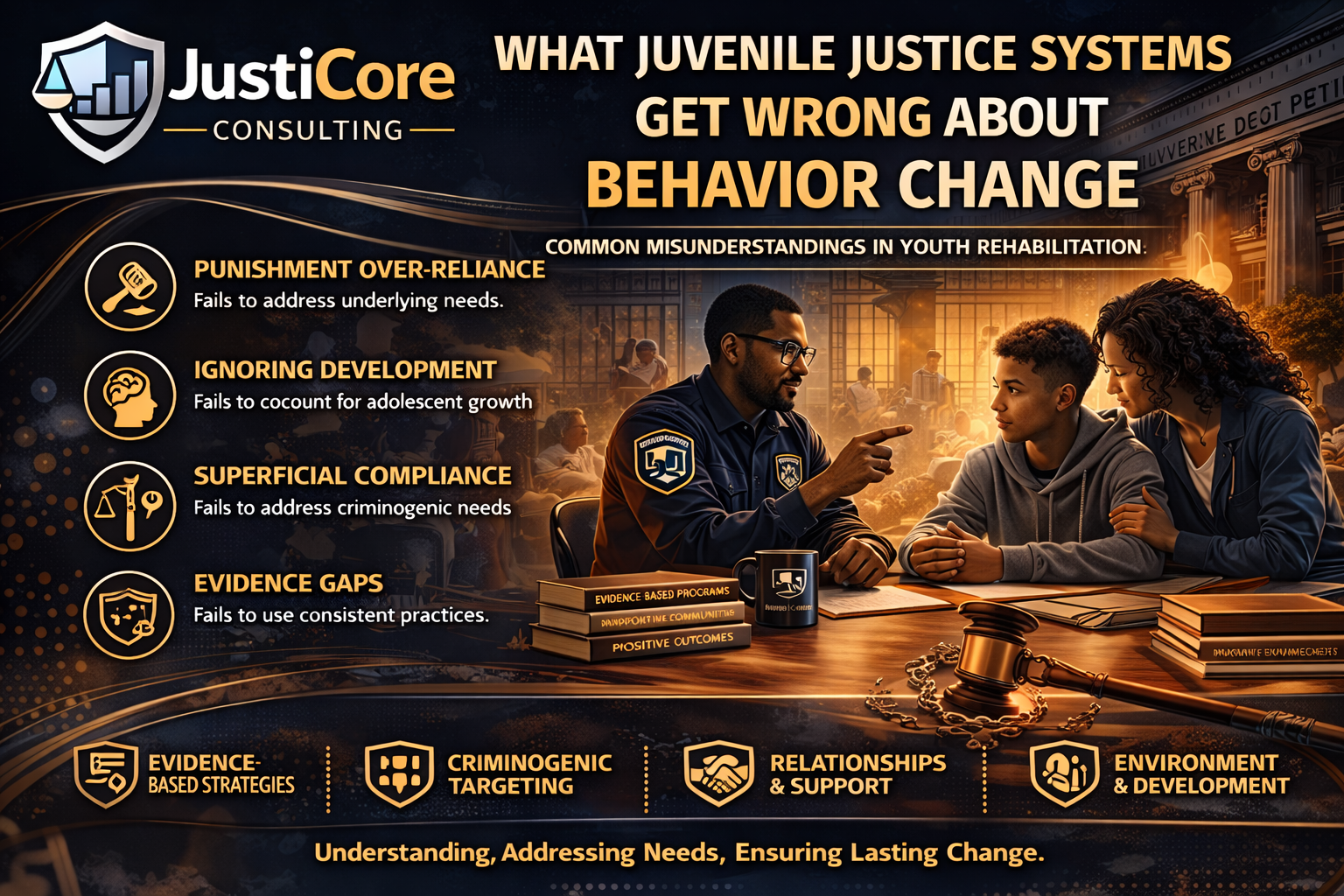
Dr. Sevoca Glass Jr 9/7/26 Dr. Sevoca Glass Jr 9/7/26 What Juvenile Justice Systems Get Wrong About Behavior Change Read More
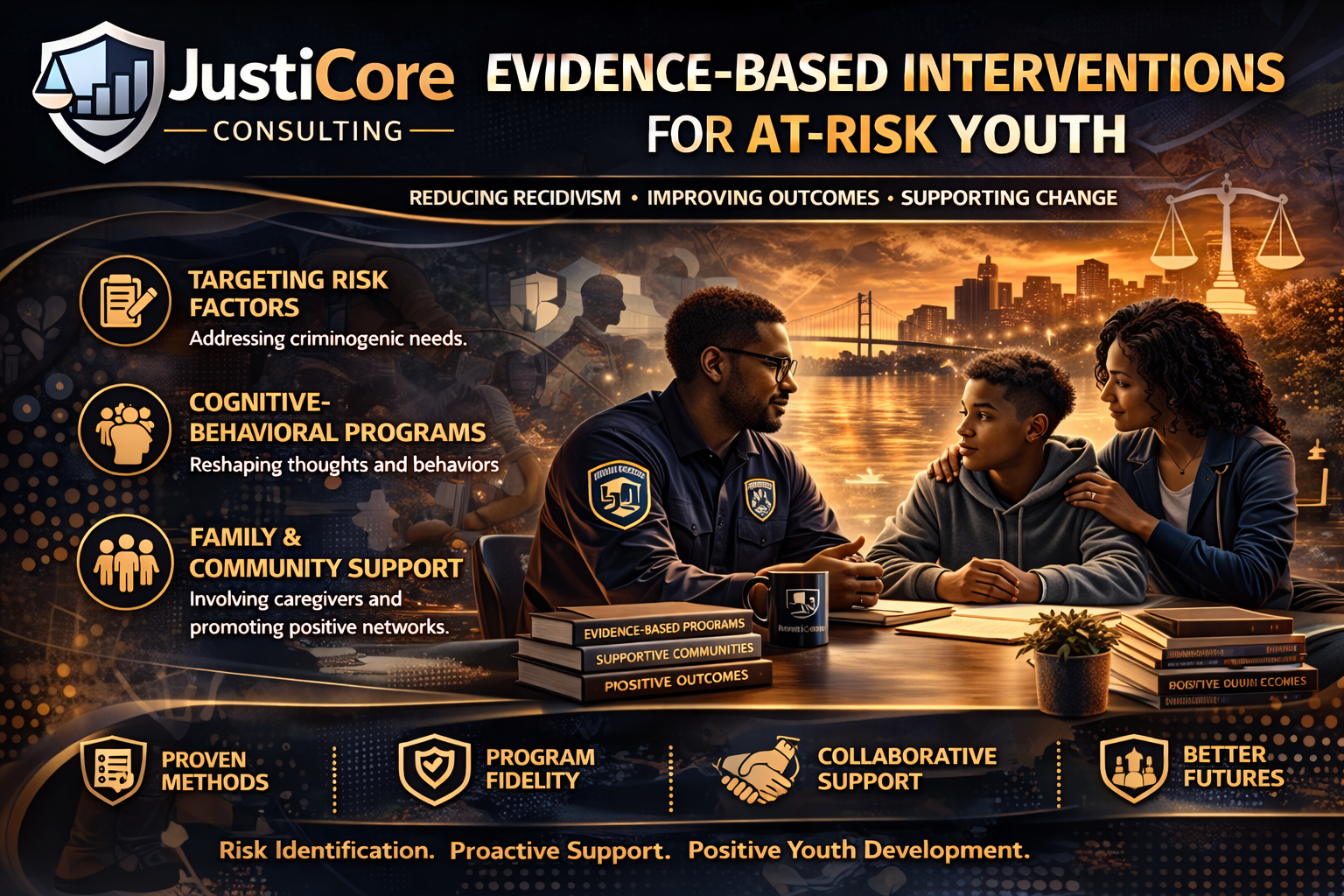
Dr. Sevoca Glass Jr 8/31/26 Dr. Sevoca Glass Jr 8/31/26 Evidence-Based Interventions for At-Risk Youth Read More
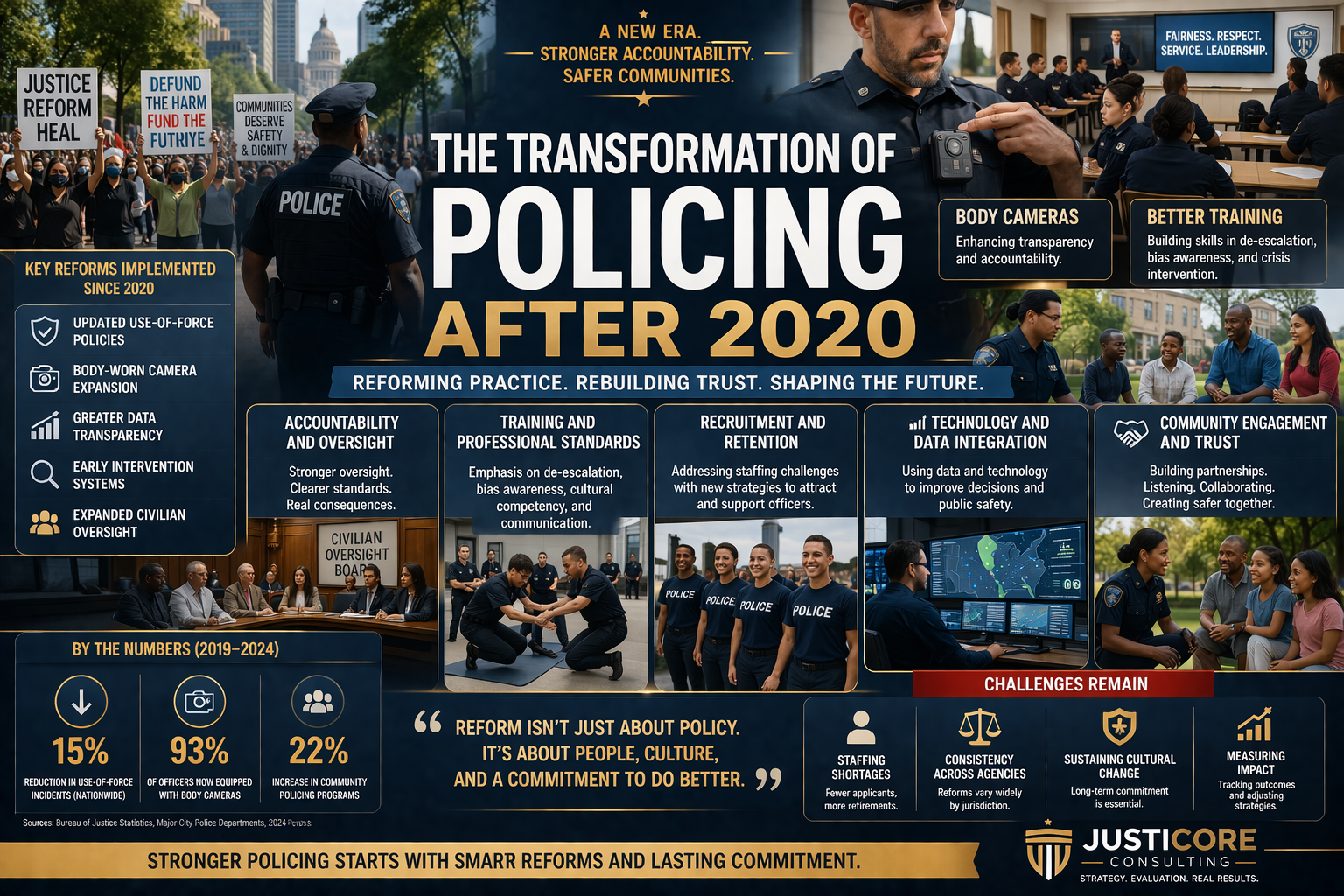
Dr. Sevoca Glass Jr 8/28/26 Dr. Sevoca Glass Jr 8/28/26 The Transformation of Policing After 2020 Read More
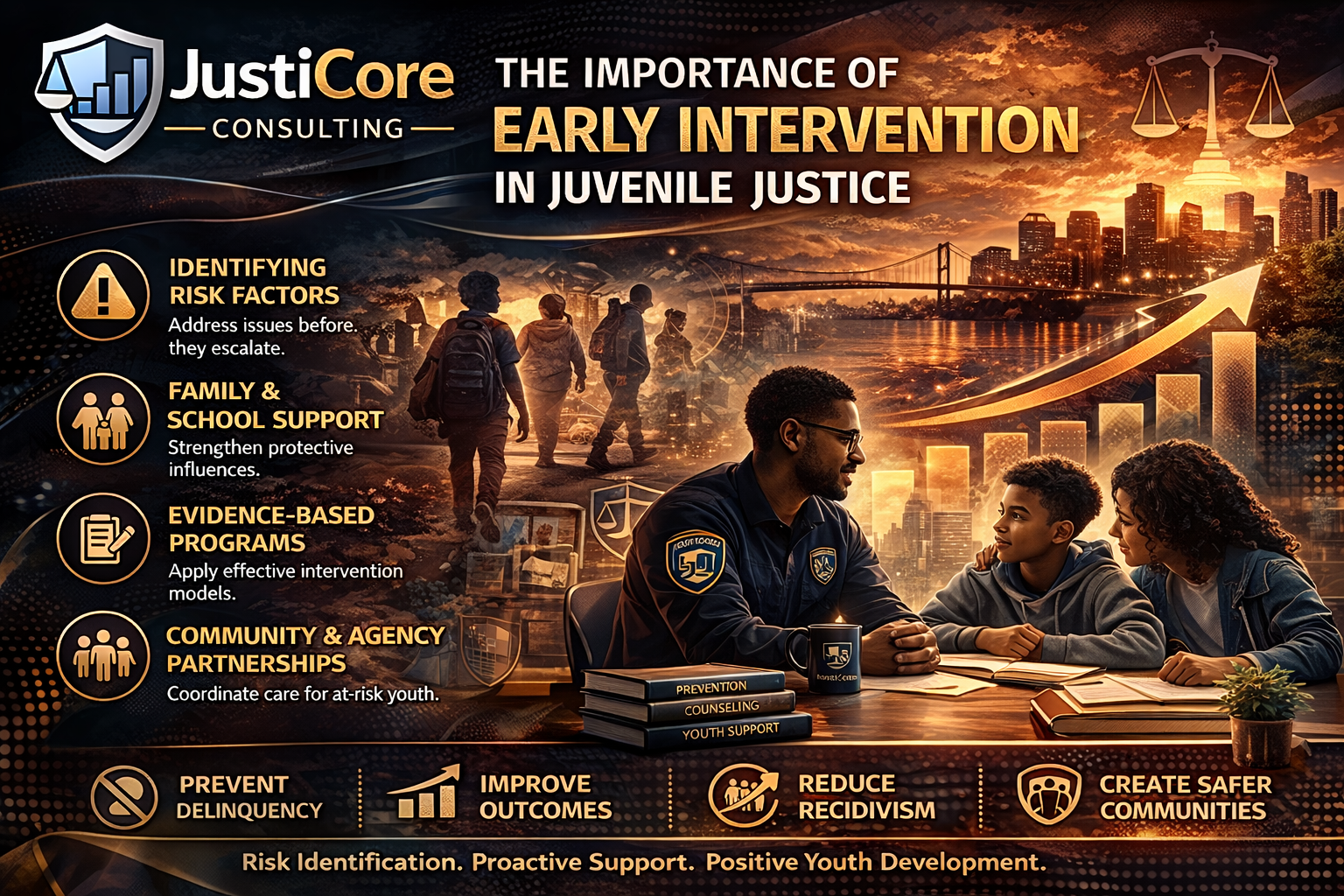
Dr. Sevoca Glass Jr 8/24/26 Dr. Sevoca Glass Jr 8/24/26 The Importance of Early Intervention in Juvenile Justice Read More
Dr. Sevoca Glass Jr 8/17/26 Dr. Sevoca Glass Jr 8/17/26 How Probation Officers Influence Youth Outcomes Read More
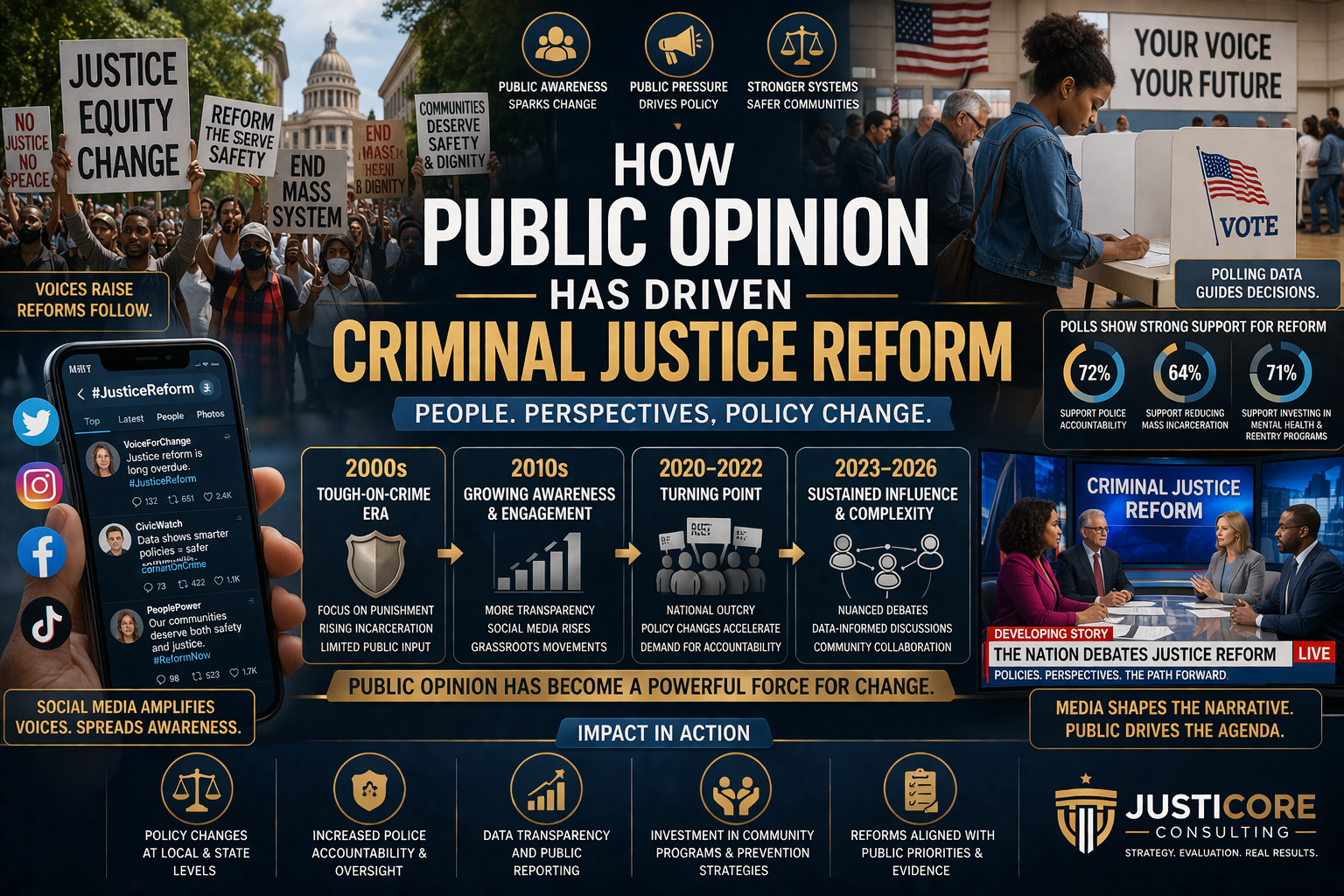
Dr. Sevoca Glass Jr 8/14/26 Dr. Sevoca Glass Jr 8/14/26 How Public Opinion Has Driven Criminal Justice Reform Read More
Dr. Sevoca Glass Jr 8/10/26 Dr. Sevoca Glass Jr 8/10/26 Trauma and Juvenile Offending: What Practitioners Need to Understand Read More
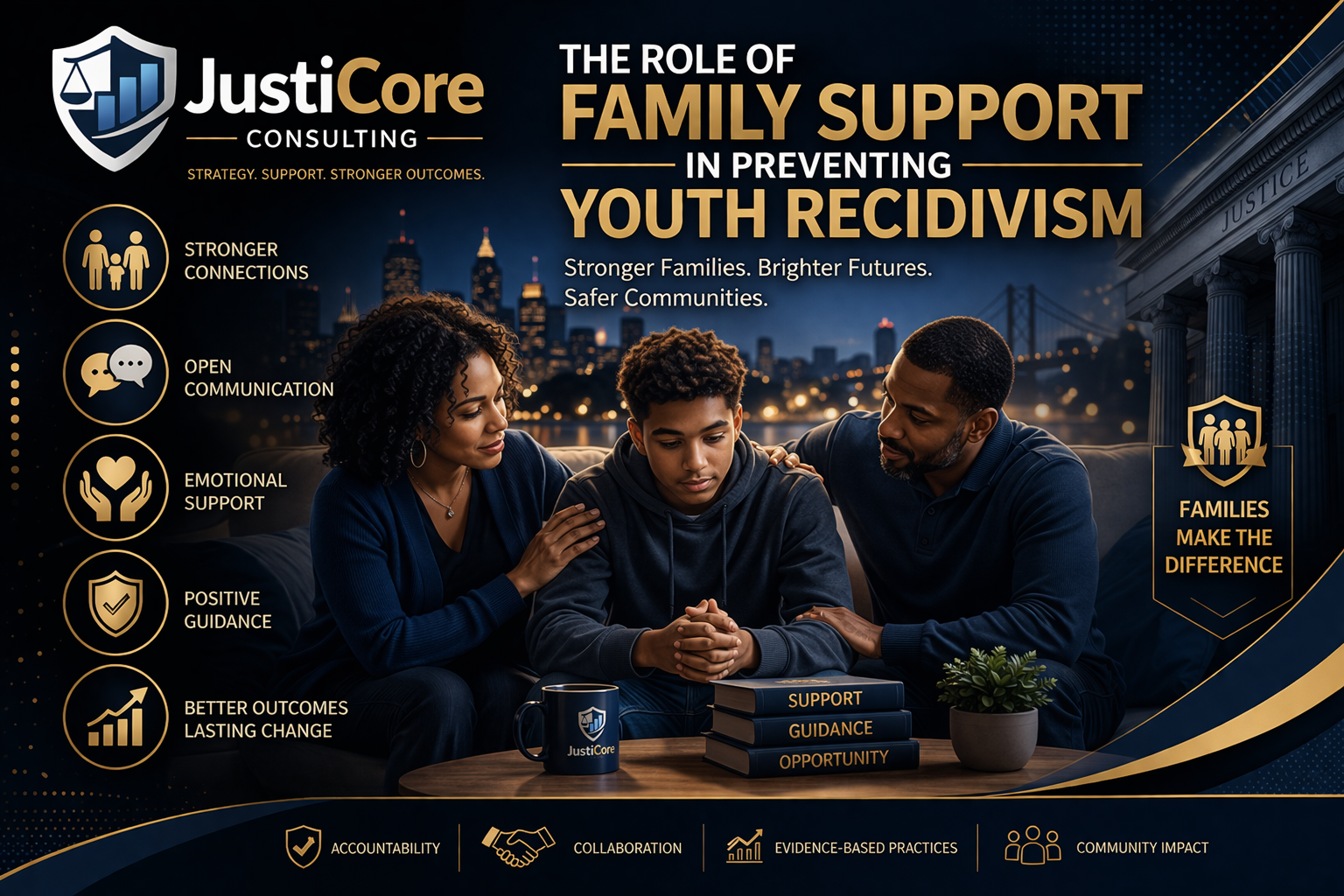
Dr. Sevoca Glass Jr 8/3/26 Dr. Sevoca Glass Jr 8/3/26 The Role of Family Support in Preventing Youth Recidivism Read More
Dr. Sevoca Glass Jr 7/31/26 Dr. Sevoca Glass Jr 7/31/26 From Tough-on-Crime to Smart-on-Crime: A Policy Shift Read More
Dr. Sevoca Glass Jr 7/27/26 Dr. Sevoca Glass Jr 7/27/26 Why Family Dynamics Matter in Juvenile Delinquency Read More
Dr. Sevoca Glass Jr 7/20/26 Dr. Sevoca Glass Jr 7/20/26 How Probation Departments Can Improve Outcomes Without Increasing Budgets Read More
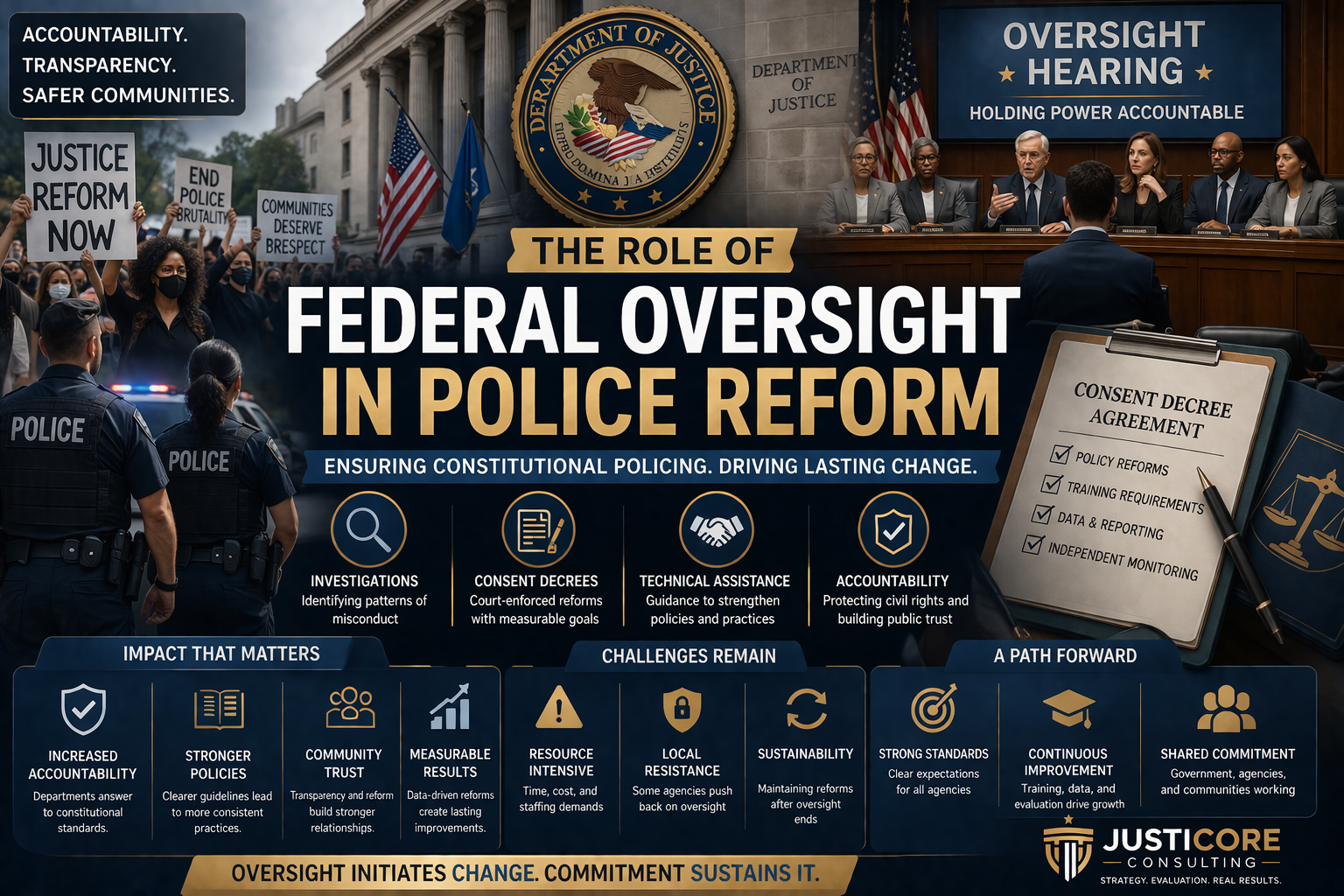
Dr. Sevoca Glass Jr 7/17/26 Dr. Sevoca Glass Jr 7/17/26 The Role of Federal Oversight in Police Reform Read More
Dr. Sevoca Glass Jr 7/13/26 Dr. Sevoca Glass Jr 7/13/26 Reducing Technical Violations Through Strategic Supervision Read More
Junior Glass 7/6/26 Junior Glass 7/6/26 Addressing Criminogenic Needs in Community Supervision Read More
Dr. Sevoca Glass Jr 7/6/26 Dr. Sevoca Glass Jr 7/6/26 Addressing Criminogenic Needs in Community Supervision Read More
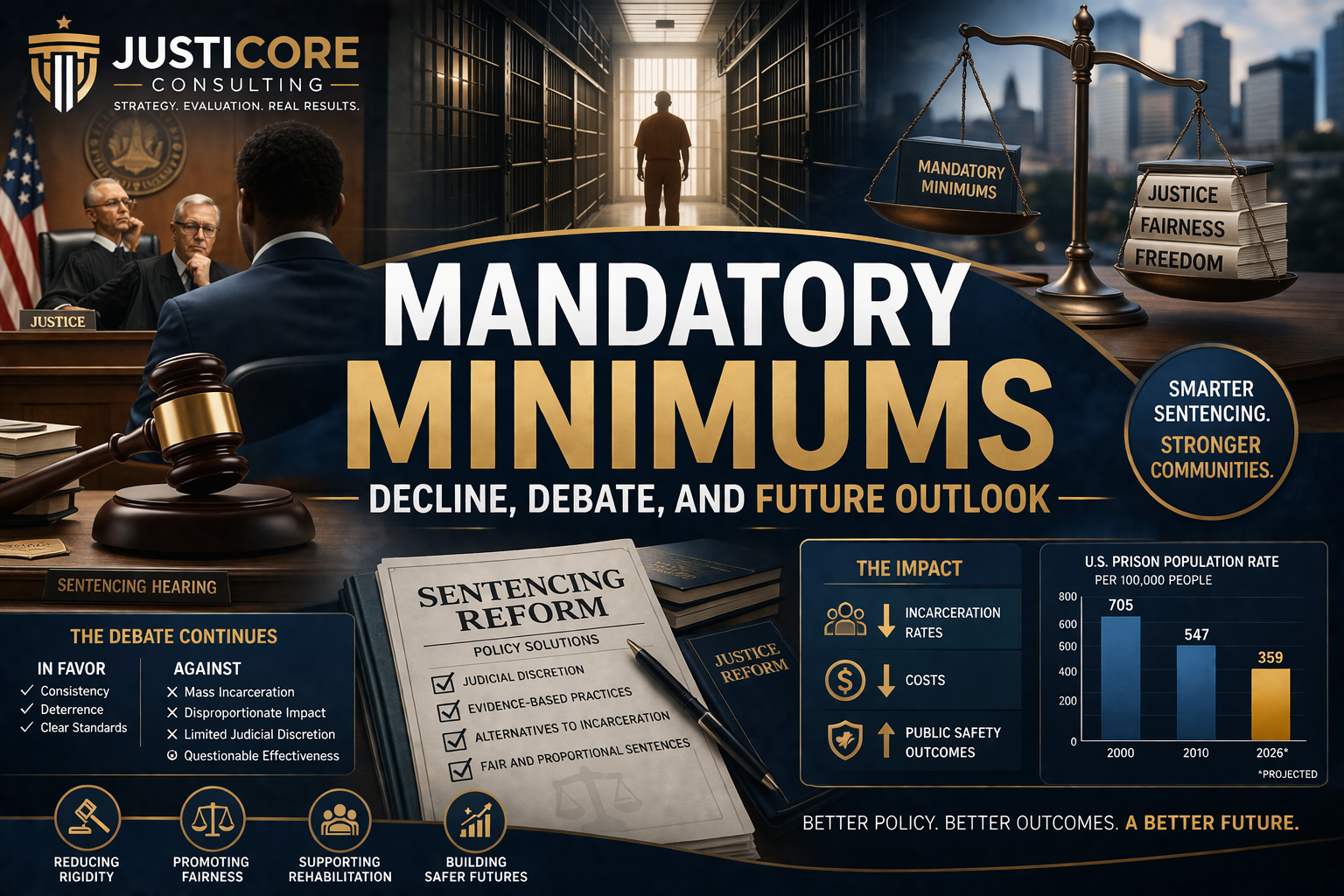
Dr. Sevoca Glass Jr 7/3/26 Dr. Sevoca Glass Jr 7/3/26 Mandatory Minimums: Decline, Debate, and Future Outlook Read More
Junior Glass 6/29/26 Junior Glass 6/29/26 Strength-Based Supervision in Community Corrections Read More
Dr. Sevoca Glass Jr 6/22/26 Dr. Sevoca Glass Jr 6/22/26 Why Risk Assessment Tools Must Be Used Carefully Read More